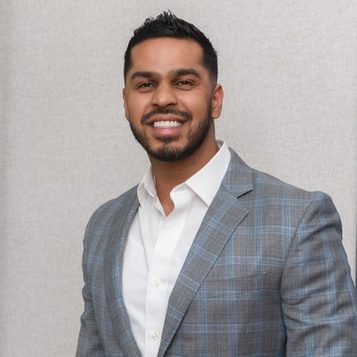
Hi, I'm Dr. Naved Fatmi, DMD, lead dentist at Health and Wellness Dentistry and former Chairman of the Florida Board of Dentistry. Our team of nine doctors cares for thousands of patients each year across four offices in Palm Beach County.
One of the most common questions we hear is simple: What actually works for whitening?
So we put this together for you. It's intentionally short, about a 10-minute read, with practical tips you can start right away and honest guidance on when over-the-counter options work, when they don't, and when it makes sense to see a professional.
At Health and Wellness Dentistry, we take a wellness-first approach. We treat your oral health as part of your overall health, not as something separate. That philosophy guides how we approach whitening as well. It's not about aiming for an unnaturally white "Hollywood" look. It's about keeping your enamel strong and your smile natural, just brighter.
There's nothing for sale here. At the end, you'll find an optional offer for a free 15-minute Smile Consult if you'd like a professional opinion on whitening, bonding, veneers, Invisalign, crowns, implants, or just a full exam. Otherwise, take what's helpful and leave the rest.
If you pulled up a photo of yourself from a decade ago, the difference in your smile probably isn't your imagination.
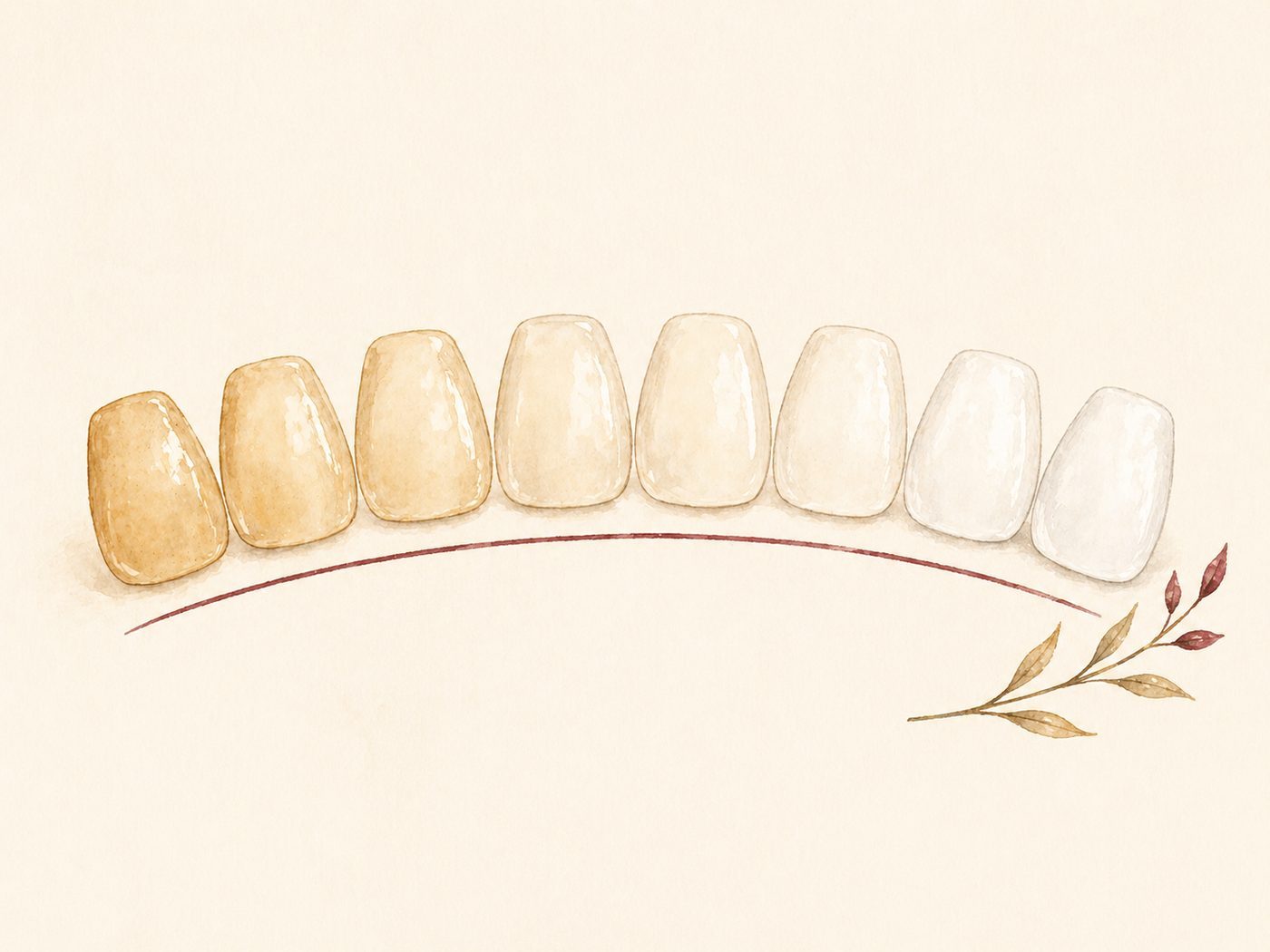
Teeth dim for three reasons, and most adults have a mix of all three.
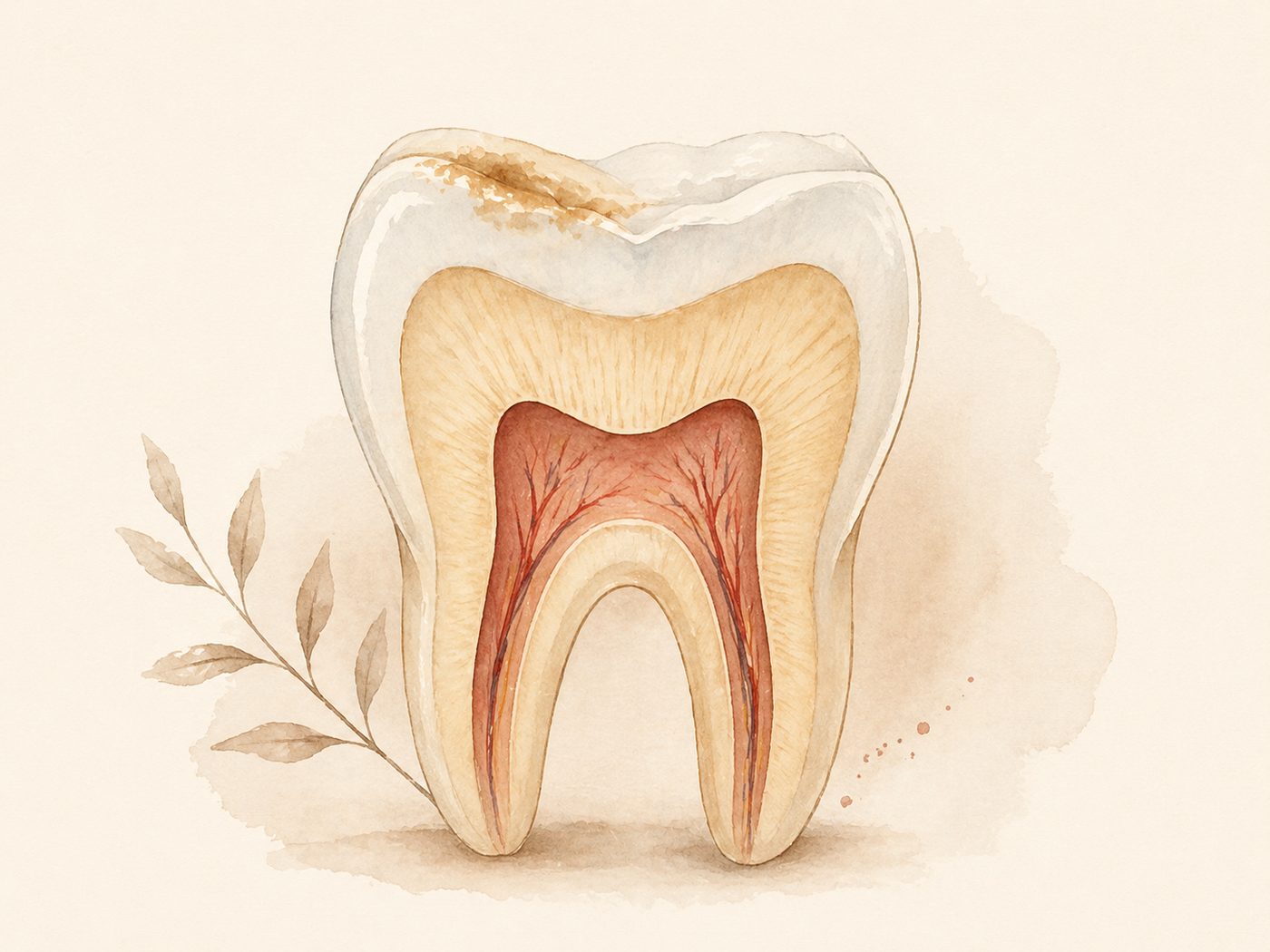
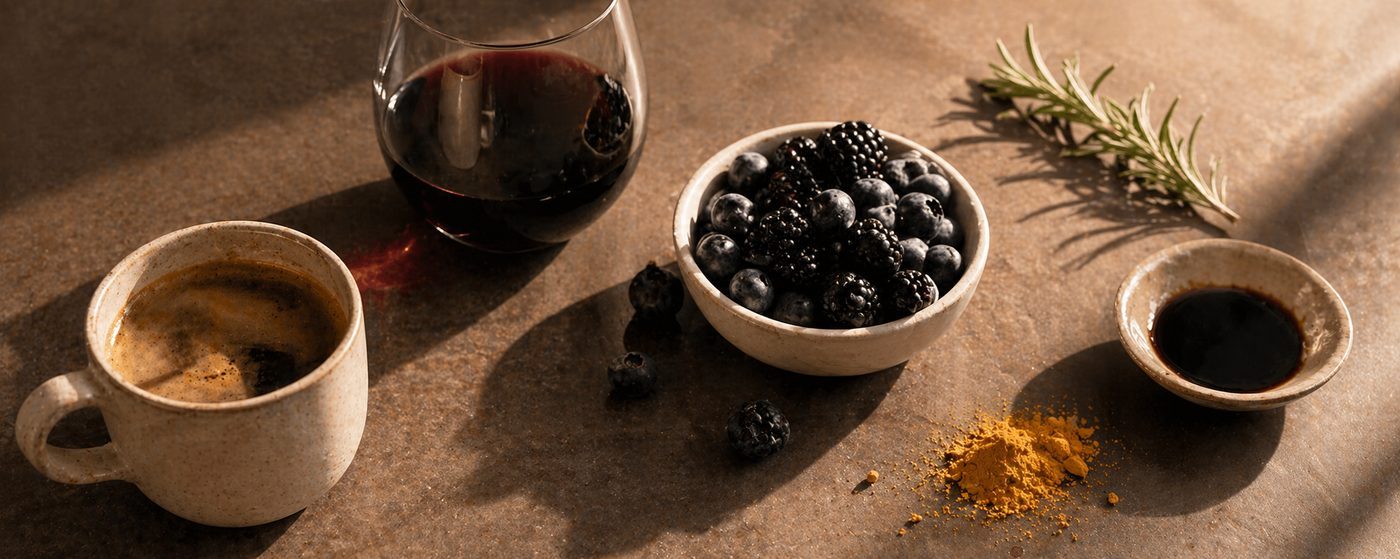
Surface stains (extrinsic). This is the layer that picks up color from coffee, tea, red wine, dark sodas, soy sauce, berries, turmeric, and tobacco. It builds up gradually, like a coffee mug that hasn't been properly washed in a while. Most surface staining is reversible.
Internal yellowing (intrinsic). Underneath your enamel sits a layer called dentin, which is naturally yellow and gets more yellow as you age. Enamel also thins over time, so more of that dentin shows through. This is harder to reverse but still treatable.
Permanent discoloration. Tetracycline antibiotics taken in childhood, severe fluorosis, trauma to a tooth, or certain medical conditions can leave staining that whitening will not fix. We'll be straight with you about this in chapter 6, because it matters.
If you live in South Florida, add three local accelerants: Cuban coffee culture, year-round iced tea, and UV exposure that ages enamel a little faster than it does up north. None of that is a death sentence for your smile. It's just a context most generic whitening guides leave out.
The good news: most of the dimming you see in the mirror is surface or age-related, and that's the kind home routines and an occasional professional bleach handle very well.
"I assumed my teeth had just gone yellow with age. After 30 days of doing the morning routine in chapter 3, my husband noticed before I did." Maria, 52, Boynton Beach
We're not going to tell you OTC whitening is a scam. It isn't. We're going to tell you exactly where it works, where it falls short, and why.
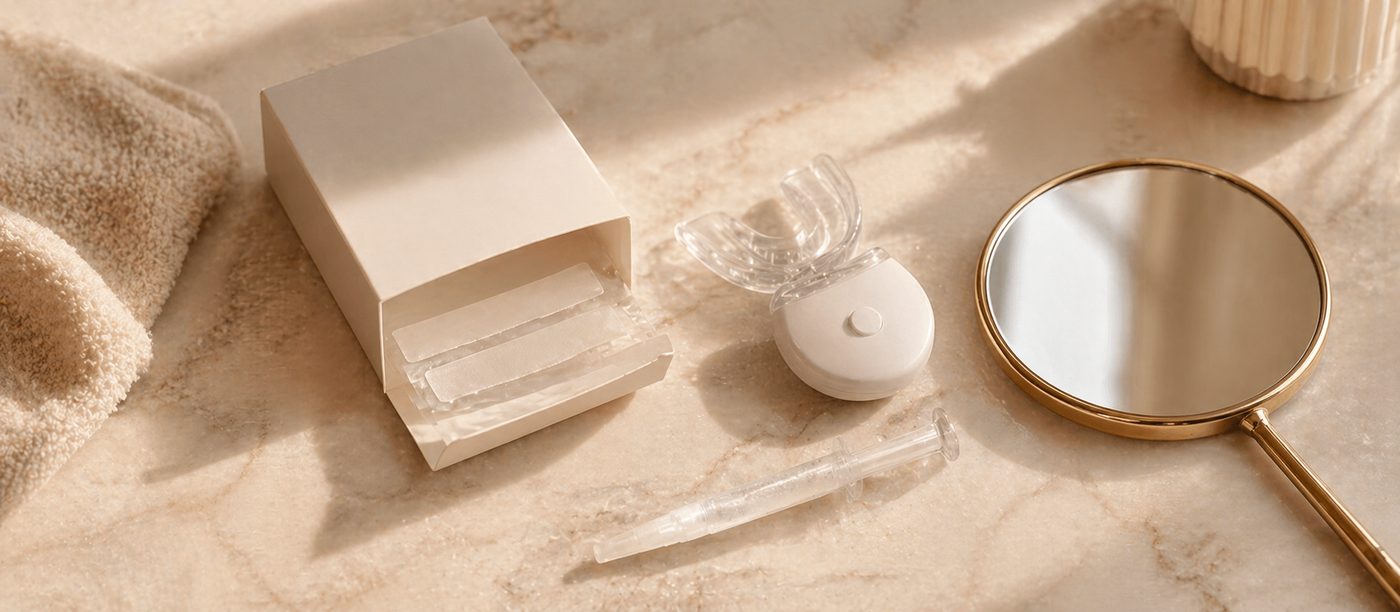
What's actually in those boxes. Crest Whitestrips, off-brand strips, and most LED kits use hydrogen peroxide or carbamide peroxide at concentrations between 6% and 14%. In-office whitening uses 25% to 40%. That difference is the entire story. OTC products are diluted so they're safe to sell without supervision, which means they take longer and cap out at a lower shade improvement.
Where they genuinely work. If you have mild surface staining and reasonably even teeth, Crest 3D Whitestrips Professional Effects, used as directed for the full 20-day course, can lift you one to two shades. That's a real result. We tell patients with mild cases to try this first.
Where they fall short. They don't conform to crowded or angled teeth, so the gel pools unevenly and you end up with patchy whitening. Sensitivity is one of the most common complaints in clinical reports for OTC strips. They do almost nothing for intrinsic yellowing. And they have zero effect on tetracycline staining or fluorosis, no matter how many boxes you go through.
Smile Direct, Byte, and at-home tray kits. The trays are usually fine. The whitening gel they include is the same diluted peroxide as the strips. If your teeth are already aligned and you just want a mild lift, fine. If you have any real bite or alignment concerns, please see a dentist in person before you commit to a six-month at-home plan. The bottom line: if you've tried OTC and you're not happy, it isn't your fault. The product was capped before it ever got to you.
This is the chapter you came for. It's the routine the H&W clinical team gives every new patient who asks how to keep their teeth white between visits. None of it costs more than a normal toothbrush and a cup of water.
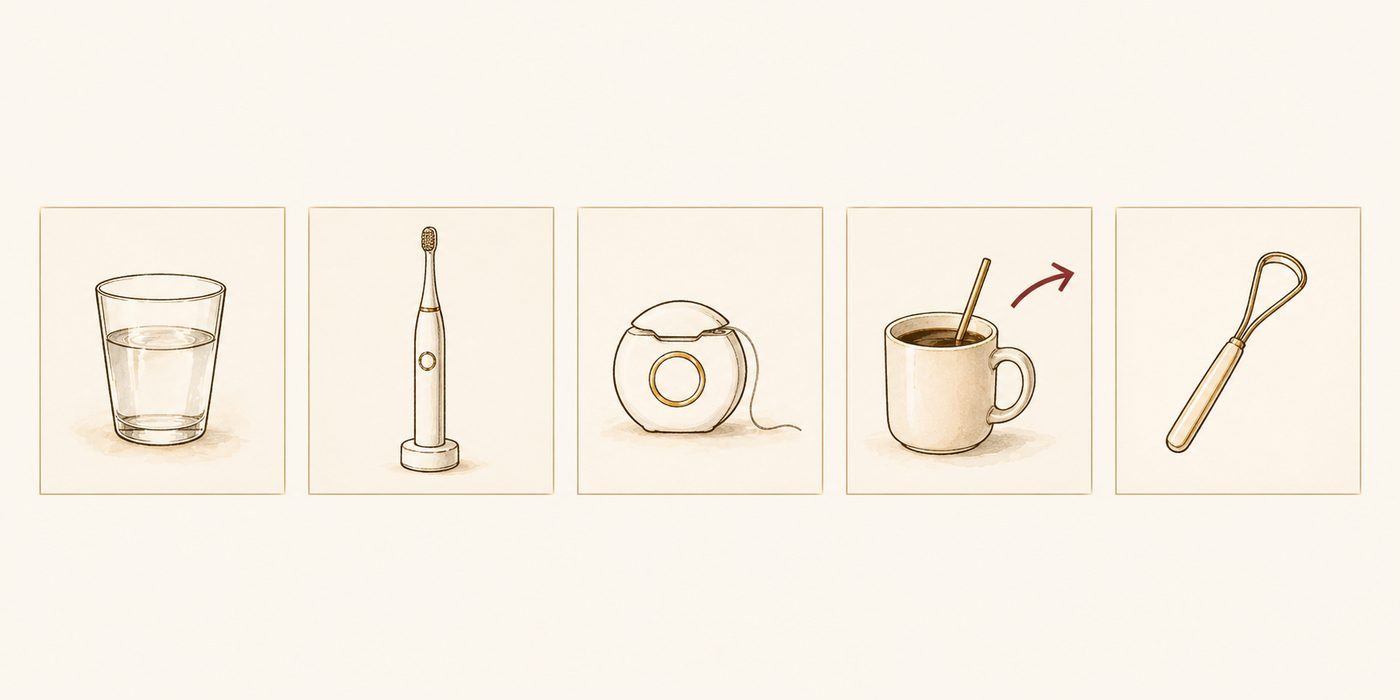
Your mouth is acidic when you wake up. Rinse with plain water before you eat or drink anything. This rebalances the pH so your enamel isn't soft when the coffee hits.
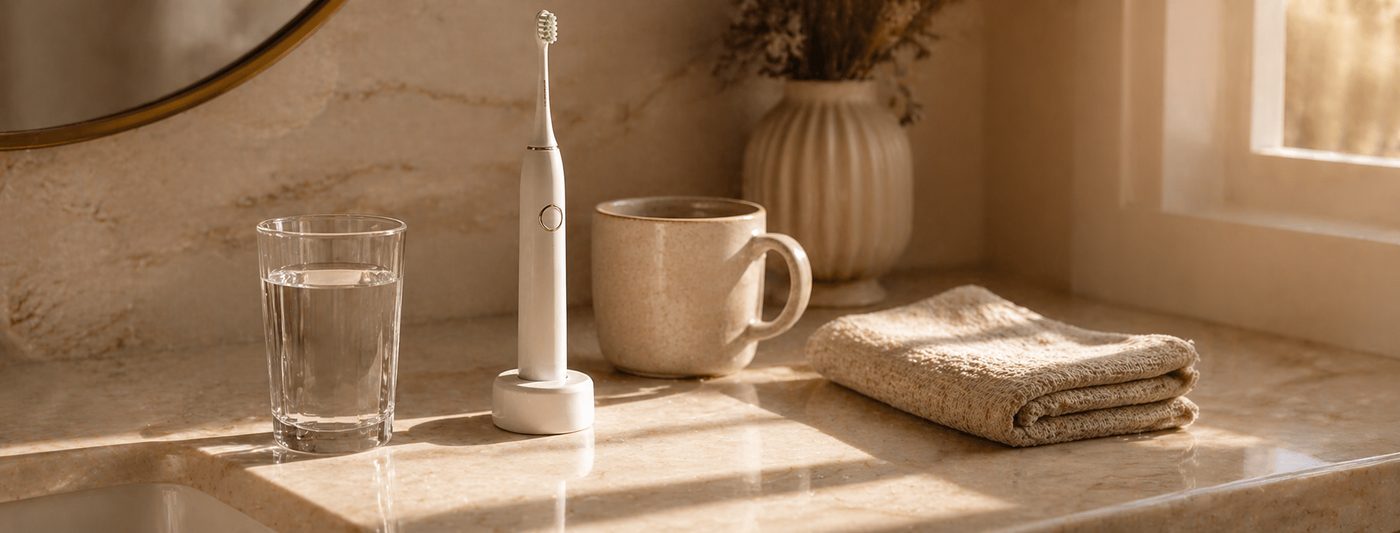
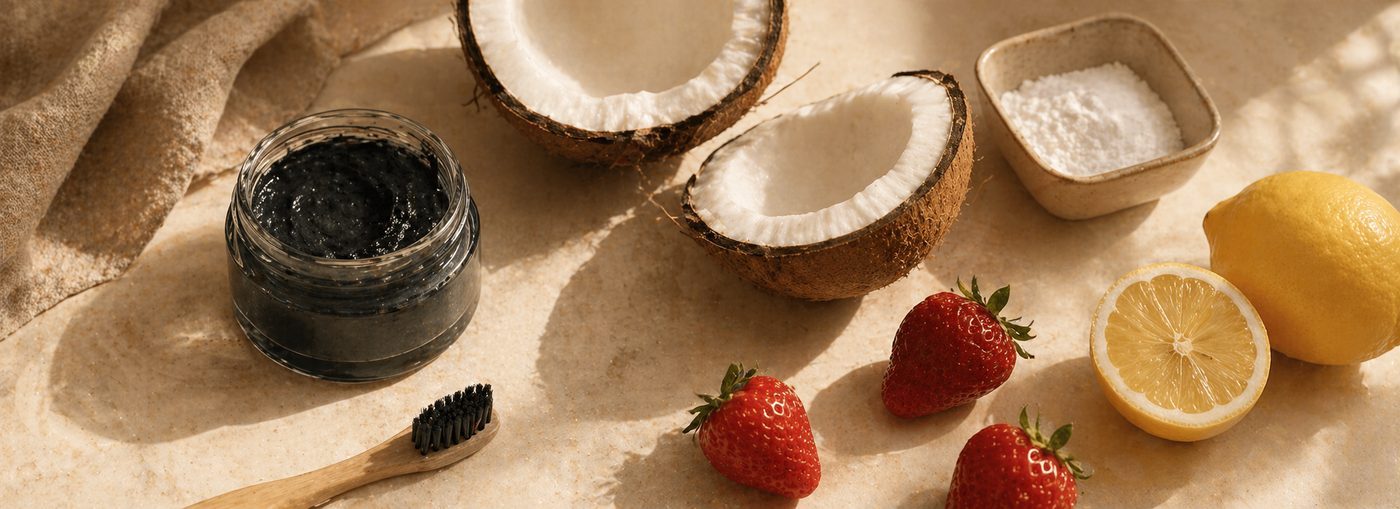
Soft bristles, electric brush if you have one, gentle pressure. A whitening toothpaste with hydrated silica or low-grit polishers (look for the RDA value under 150) is fine for daily use. Skip charcoal, see chapter 7.
Between-tooth surfaces stain just like the front of your teeth, but most people never clean them. This is where coffee and red wine pigments collect. Flossing first thing keeps that color from setting.
We're not asking you to quit coffee. We live in Florida; that's not realistic. After your last sip, swish with plain water for a few seconds. This rinses away most of the staining residue before it sets. If you're a Cuban coffee or cold brew drinker, use a straw when practical.
A quick tongue scrape removes overnight bacteria that contribute to dullness and bad breath. Then go on with your day.
Do not brush within 30 minutes of drinking coffee, orange juice, or anything acidic. Acid temporarily softens enamel. Brushing on softened enamel scrubs it away, and over time that exposes more yellow dentin underneath. This is the single most common mistake we see in patients who think they're doing everything right.
"I thought I was being healthy by brushing right after my morning OJ. Turns out I was actively making my teeth yellower." Carlos, 47, Boca Raton
Try this routine for 30 days. Take a "before" photo today, by a window in natural light, no filter. Take an "after" on day 30. Most patients see a noticeable shift.
A short, useful list. We are not going to tell you to cut these out. We're going to tell you how to drink and eat them like someone who cares about their teeth.
The biggest stainers. Coffee (especially Cuban and espresso), black tea, red wine, dark sodas, blueberries, blackberries, tomato sauce, soy sauce, balsamic, curry, beets, and anything with turmeric. If a food would stain a white shirt, it stains your teeth.
The acid trap most people miss. Lemon water, sparkling water, La Croix, white wine, and citrus juices don't stain on their own, but they soften enamel. Soft enamel is more porous, which means whatever you eat or drink next stains worse. The lemon water in your morning routine might be doing more damage than the coffee that follows it.
Heat plus caffeine plus dehydration is a perfect storm for staining. When you're dehydrated, you produce less saliva, which is your mouth's natural buffer. Drink water through the day, not just at meals. It is the cheapest whitening tool you own.
If you smoke or vape, this is the part where we have to be straight: nicotine staining is the hardest extrinsic stain to lift, and no whitening method will keep up with daily exposure. We're not going to lecture you about quitting. We are going to tell you that whitening will feel like a losing battle until you do.
Your mouth does most of its repair work overnight. If you set up your nighttime routine well, it does eight hours of work for you while you do nothing.
Floss before bed, not in the morning. The food and drink you've consumed all day is still between your teeth. Pulling that out before sleep prevents 8 hours of slow staining and bacterial activity.
Brush, then don't rinse with water. After brushing with fluoride toothpaste at night, spit, but don't rinse with water. The thin layer of fluoride that stays on your teeth is what remineralizes enamel overnight. Rinsing washes it off. This single change does more for enamel strength than most products you'll buy.
Address mouth breathing. South Florida has high allergy load year-round, and a lot of our patients are mouth breathers because of chronic congestion. Mouth breathing dries out the mouth, which kills saliva production, which lets stains set in faster. If you snore, wake with dry mouth, or have allergies that aren't being treated, that's a smile issue too. CPAP users, ask your dentist about a humidifier or moisturizing rinse.
Tongue scrape, briefly. Bacteria on the tongue contribute to dullness and color you can't brush away. Ten seconds with a tongue scraper before bed is enough.
Skip the late-night snack. Eating after you brush undoes everything. If you must, water rinse and re-brush.
"Patients who treat their nighttime routine as seriously as their morning one consistently keep whiter teeth between cleanings. It's not glamorous advice, but it's the strongest correlation we see in our practice." Dr. Naved Fatmi, DMD
If you've followed chapters 3 through 5 for a few months and your teeth are still not where you want them, here's an honest walk-through of what professional whitening actually looks like, including what we offer at H&W.
What it costs in Palm Beach County. Single-visit in-office whitening typically runs $400 to $700 in our area. Custom take-home trays with prescription-strength gel run $300 to $500 and take 7 to 14 days. Combination protocols can run higher. We're listing real numbers because price transparency is something most practices avoid, and we don't see why.
What we use at H&W and why. Across our offices we offer two professional whitening systems, Opalescence Boost and Philips Zoom, both clinical-strength and used widely in cosmetic dentistry. Boost is chemically activated and runs without a UV lamp; Zoom is light-activated and produces a faster single-visit lift. Which system you receive depends on the office that's closest to you and what your dentist recommends for your sensitivity and timeline. In every case, patients who whiten in office leave with custom take-home trays made from a digital scan of your teeth, so the gel stays on the teeth and not on your gums. Take-home trays are matched to whichever system was used in office.
What it actually does. A single in-office session can typically lift teeth several shades, often 4 to 8 in manufacturer-reported results. Custom trays generally lift several shades over the course. Both fade slowly over 6 to 24 months depending on your habits. There is no permanent whitening. Anyone telling you otherwise is selling something.
Sensitivity, honestly. Many patients in our practice experience some sensitivity for 24 to 48 hours after a single-session whitening. It's manageable with sensitivity toothpaste in the days before and after. If you have receding gums, exposed root surfaces, or untreated cavities, professional whitening can hurt and isn't appropriate until those are addressed.
This is where most articles get vague. We're not going to.
If any of those describe you, whitening on its own is the wrong tool. A real assessment will tell you what is.
"We tell a meaningful share of patients who come in for a whitening consult that whitening isn't the right answer for them. That conversation is uncomfortable, but it's the entire reason patients refer their friends to us." Dr. Bella Beck, H&W Dentistry
Quick answers, no fluff.
If you've made it this far, you're the kind of patient we appreciate. Curious, skeptical, willing to read before buying. Here's what an honest first visit at H&W looks like, so there are no surprises.
A clinical visual exam. A shade match against a standardized Vita scale (so we can compare honestly later). A check for cavities, gum recession, sensitivity, and any restorations that wouldn't respond to whitening. A few photos in natural light for reference. A short conversation about what you're hoping for and what's realistic.
There's no pressure to book treatment that day. There's no fee for the consult itself. If you decide H&W isn't the right fit, that's fine too. We'd rather you leave with a straight answer than a treatment plan you weren't ready for. The same is true if your real question is about bonding, veneers, Invisalign, crowns, implants, or just a long-overdue exam. We'll talk through the right option for you, even if that means we recommend you do nothing yet.
That's the only request in the entire book. Thanks for reading, and we hope to see you.
Dr. Naved Fatmi is the lead dentist at Health and Wellness Dentistry and former Chairman of the Florida Board of Dentistry. A graduate of the University of Florida College of Dentistry, he has practiced in South Florida for more than a decade and has served on the state Board in roles including Vice Chair and Chairman.
He writes and teaches on access to oral health care and has provided dental screenings for thousands of children across Miami-Dade and Palm Beach Counties. His clinical interests include cosmetic and restorative dentistry, smile design, and helping patients understand which treatments are actually right for them, including when the answer is "none of the above."
Dr. Fatmi practices alongside a team of more than eight doctors at four Palm Beach County offices.